- Out-of-Stock

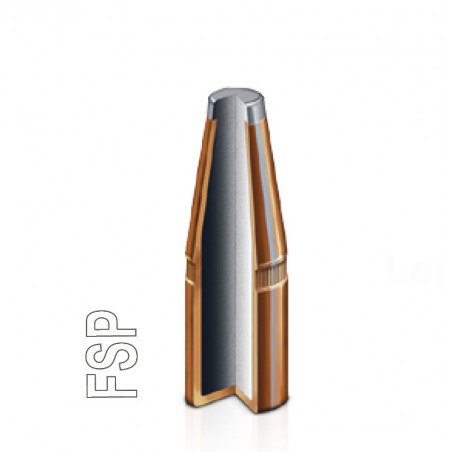

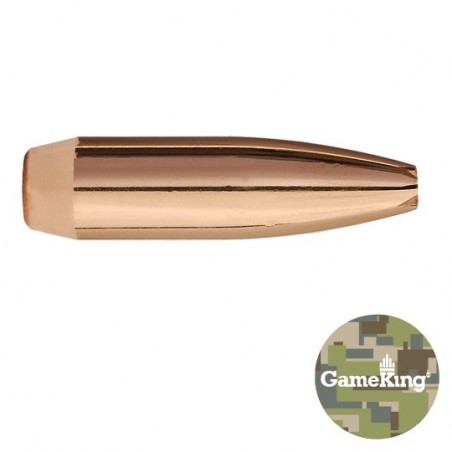
The Cal. 30-170-FSP bullets manufactured by PRVI Partizan (Prvi / PPU) are supplied in packs of 100 units and are aimed at reloaders and shooting enthusiasts who require consistent components. The product designation indicates the caliber and the bullet profile: Cal. 30-170-FSP, packaged by Prvi in 100-unit quantities. This pack size is convenient for reload shops and shooters who need predictable supply and simple inventory management.
Designed to integrate into repeatable reloading workflows, these bullets provide a standardized option within the PRVI range. They are suitable for range testing and training sessions where component uniformity is essential. A 100-unit pack helps plan shooting series and reloading batches without frequent interruptions, saving time and reducing operational costs during regular use.
In sporting and permitted hunting activities, the consistency of the bullet shape and manufacturing tolerances affects grouping and ballistic stability. The Cal. 30-170-FSP Prvi bullets are intended to be part of reloading chains focused on uniformity, making it easier to fine-tune powder charges and achieve consistent accuracy. Having enough bullets in a single pack facilitates repeated tests under controlled conditions, enabling reliable comparisons between lots.
For habitual reloaders, packability and turnover are important. A 100-count box enables simple identification, storage, and rotation of batches. It minimizes the need for frequent restocking and brings operational efficiency to a workshop or an aficionado managing multiple calibers.
The product reference includes the essential identifiers: Cal. 30-170-FSP and the Prvi brand, with a presentation of 100 units per box. Ballistic and mass figures are not assumed here; the fields below list the common parameters that should be filled in when certified manufacturer data or laboratory tests are available.
When preparing loads and assemblies, it is standard practice to record parameters such as bullet type, projectile weight, barrel length, and measured velocity. These entries allow performance comparisons and safe charge adjustments. In absence of official numeric values for this description, the numeric fields remain blank until official documentation or test results are provided.
Below is a structured summary of relevant fields. Complete these with exact values from the manufacturer or chronograph tests for accurate energy and performance calculations.
This layout helps workshops and shooters maintain a clear technical sheet and prepare for chronograph tests and grouping records. It is advisable to fill these fields with manufacturer data or measured values before performing load adjustments.
Cal. 30-170-FSP Prvi bullets are intended for use by qualified reloaders and under applicable legal restrictions. Compatibility depends on the case and chamber dimensions of the firearm; verify that the bullet geometry and seating depth match the intended brass and chamber specifications.
Handle components in a well-ventilated area using appropriate reloading tools and lot-based quality checks. Inspect bullets visually before assembly to reduce the risk of producing defective cartridges. For improved grouping, start with reference loads and log results per batch.
Experienced reloaders note that small variations in seating depth and crimping pressure can significantly affect accuracy. Implementing standardized dimensional checks and consistent crimping methods enhances shot-to-shot repeatability. The 100-unit pack size supports sufficient sample size for comparative testing and continuous shooting series.
Store bullets in a dry, stable environment and avoid prolonged exposure to humidity or contaminants. Label packs and record purchase dates for operational control. These straightforward practices increase predictability in testing and the overall quality of the assembled cartridges.







-172-Frn-Lead-100-Uni-AI.jpg)
